
Outdoor Experiences
Retreats
Weddings

Texas road trips span desert canyons, pine-shadowed bayous, Gulf barrier islands and high-plains ghost towns. That range is the problem. The state’s great drives sit whole days of highway apart, and most people only have a long weekend. Which is why the best road trips in Texas, for most travelers, start in the Hill Country. Five distinct routes sit inside a two-hour radius there—short enough for two days, dense enough for a week.
Not every Texas road trip suits every traveler. These five statewide routes differ in how far you’ll drive, how much time you’ll need, and how logistically demanding the trip is.
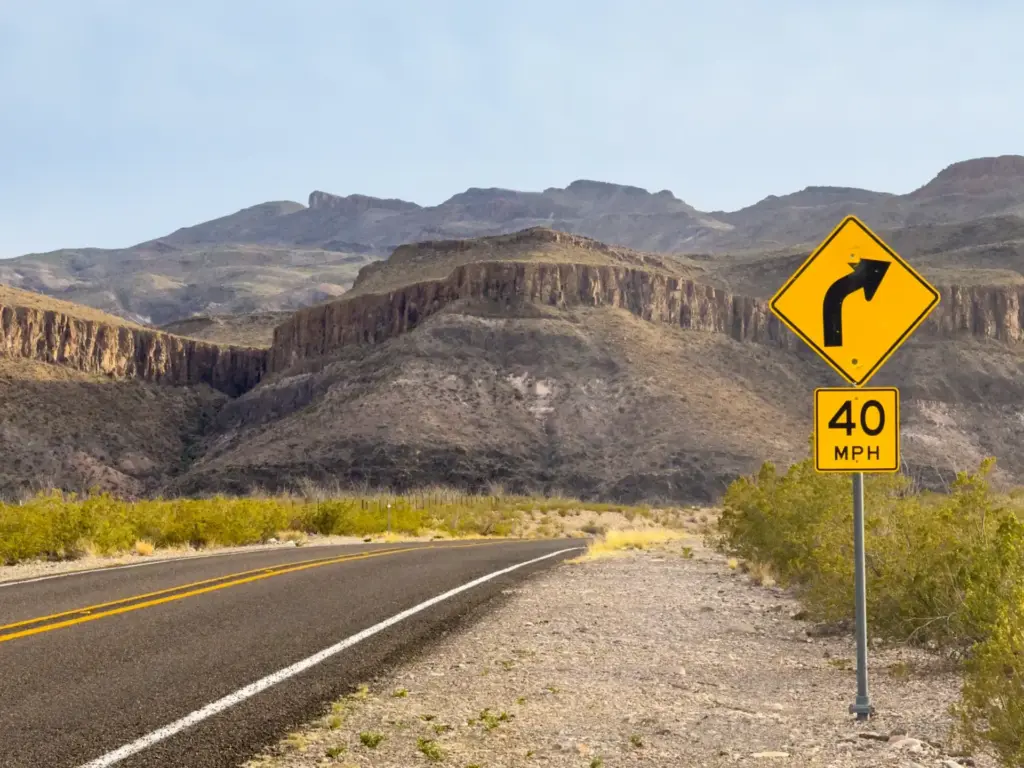
Big Bend and the River Road (FM 170): Big Bend National Park sits roughly 100 miles from Alpine and 70 from Marathon—so even the nearest gateway town is a serious drive. The closest major airport is 235 miles out in Midland/Odessa, which makes this a multi-day commitment rather than a detour. FM 170 traces the Rio Grande between Presidio and Lajitas, through Big Bend Ranch State Park. Entry is $5, there is no EV charging inside, and the nearest station sits 130 miles away in Fort Stockton.
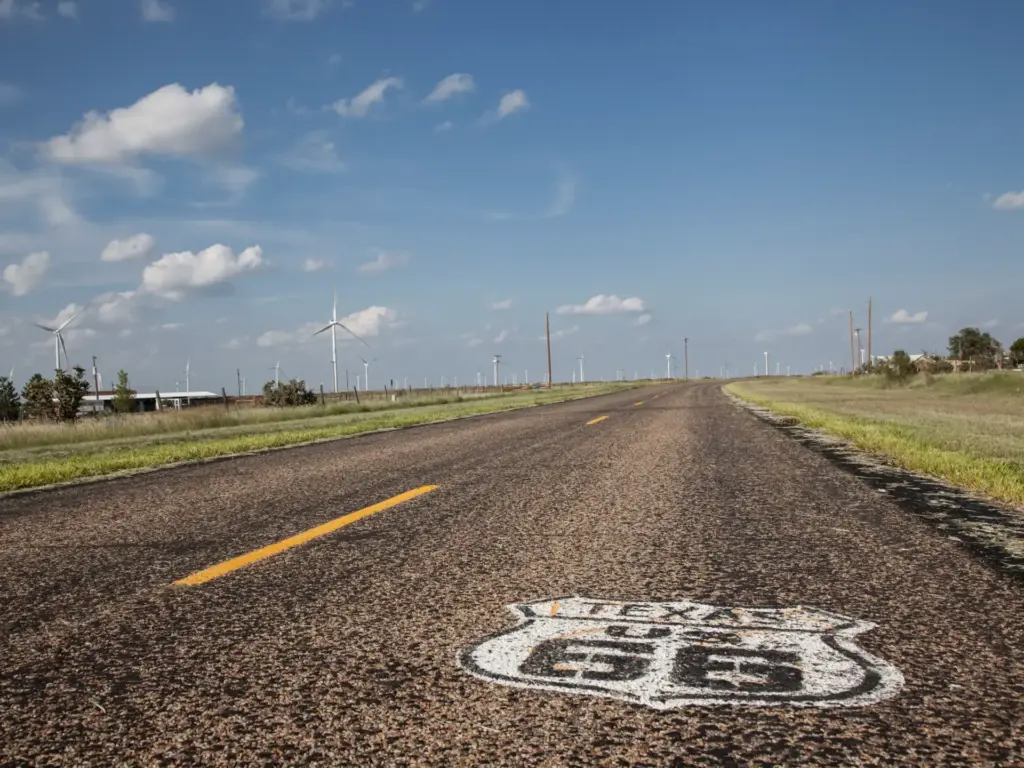
Route 66 across the Panhandle: About 178 original miles run through Texas, with roughly 150 still drivable. Highlights include the U-Drop Inn in Shamrock, Cadillac Ranch in Amarillo, and Palo Duro Canyon ($8, second-largest canyon in the US). Flat terrain makes driving easy, but the distances between stops are long.
Gulf Coast: Padre Island National Seashore offers 66 miles of undeveloped coastline. Great for slow, unhurried driving and beach access, with a more linear structure than the Hill Country.
Piney Woods: Caddo Lake—Texas’s only natural lake—sits among ancient bald cypress bayous with a $3 entry fee. Atmospheric and genuinely different from the rest of Texas, but limited in drive variety.
Hill Country: Shortest driving days, most scenic drives per mile. For most weekend travelers, the best road trips in Texas begin here.
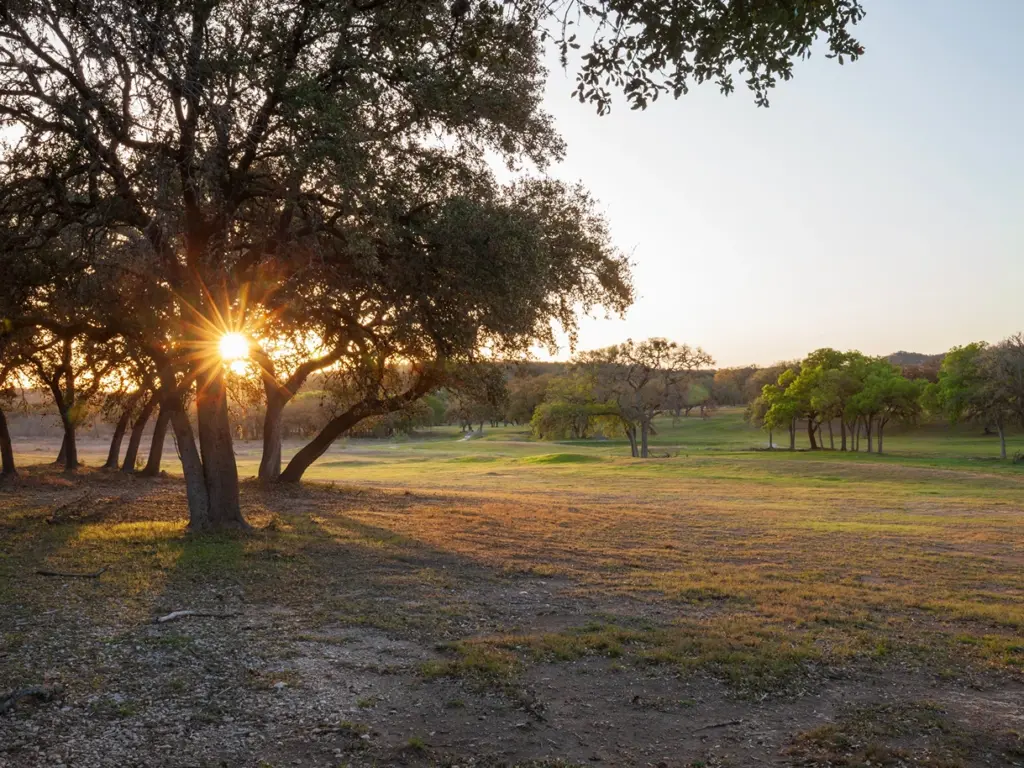
No other Texas region packs this much variety into a compact footprint—and the access proves it. From Austin, you’re on ranch roads within 45 minutes. From San Antonio, the limestone escarpment starts almost immediately. So the Hill Country earns its reputation through density: five distinct drives, each with its own character, all within reach of each other.
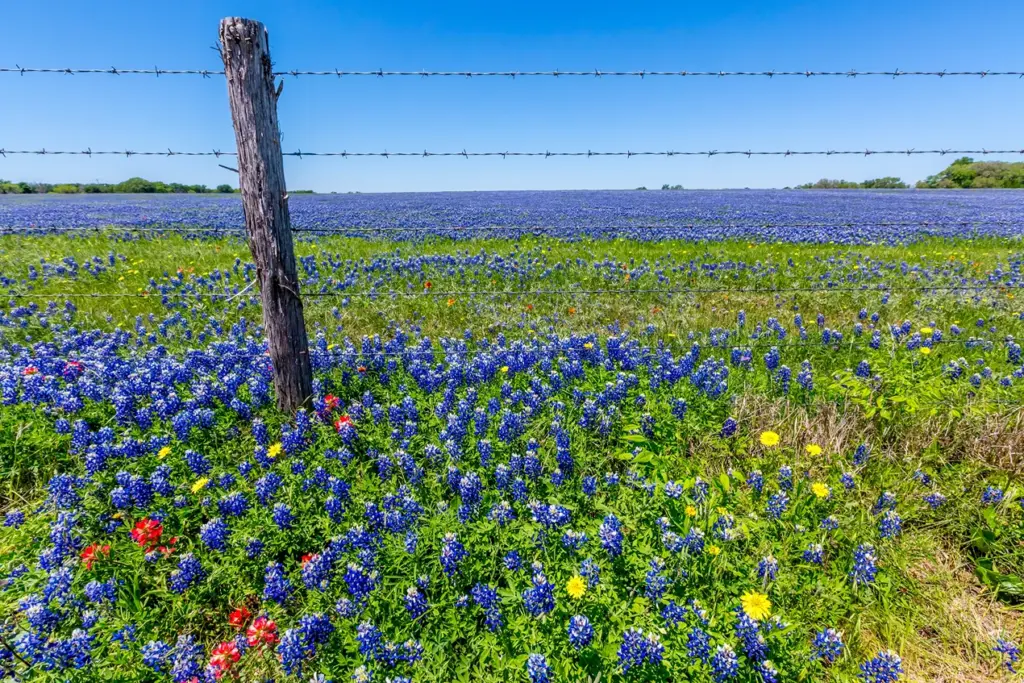
Wildflowers carpet the meadows in spring. Hardwoods blaze orange and red in fall. And between those peaks, the light on the limestone hills turns gold by late afternoon, the roads stay quiet, and the pace slows in a way that’s hard to find elsewhere in Texas.
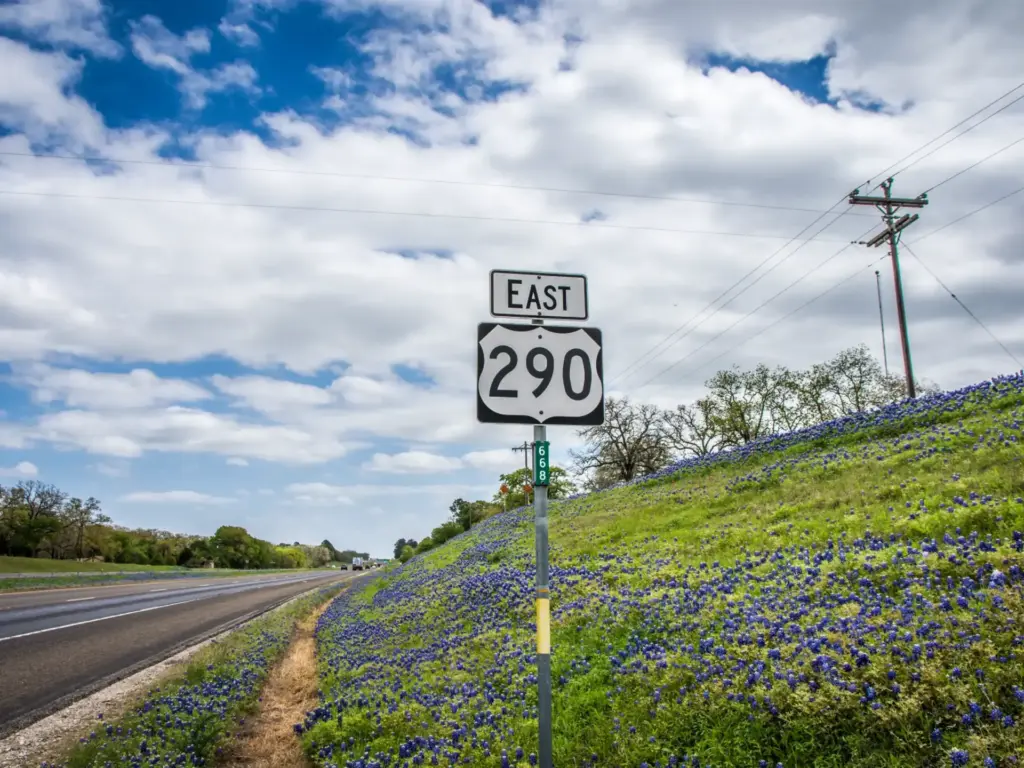
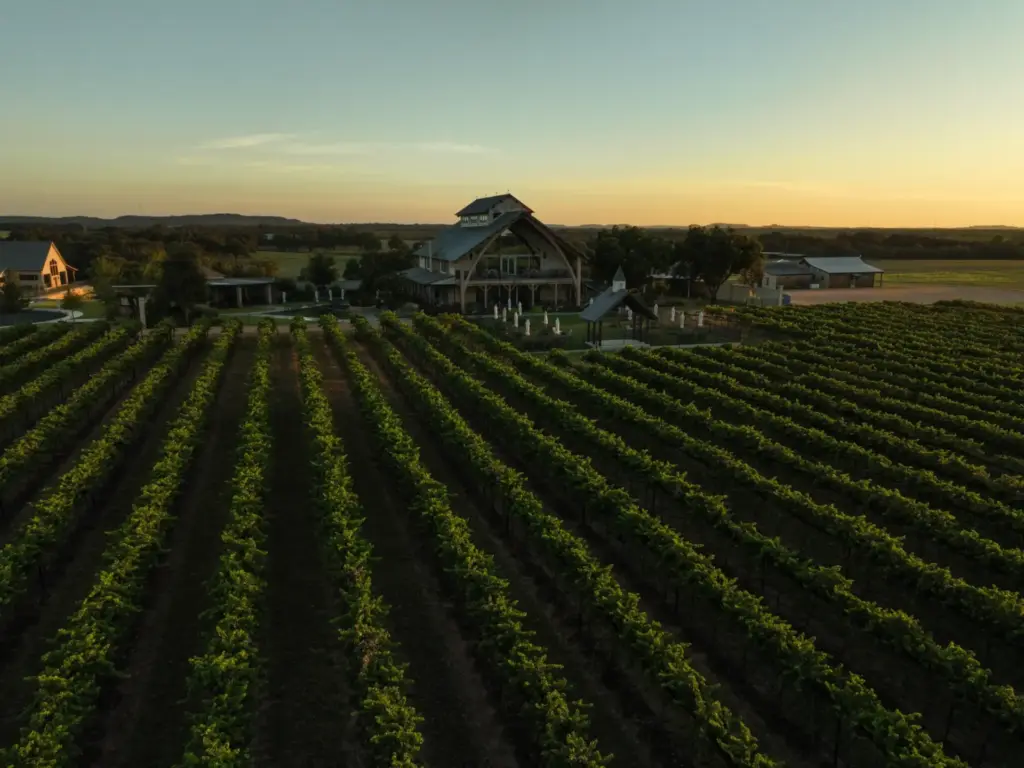
US 290 between Fredericksburg and Johnson City runs through Gillespie County, which is home to 75 or more wineries, vineyards, and tasting rooms. Across the wider Hill Country, that number climbs past 100. This is one of the best road trips in Texas if you’re after a slower, stop-often pace rather than pure mileage. Pair it with the Willow City Loop for a full day on the road.
The road itself is broad and easy. The rhythm of the drive comes from deciding where to pull off, not from navigating tight curves. Many tasting rooms sit back from the highway behind cedar-post fences, with Hill Country views that make the stops feel unhurried. Johnson City, at the western end, is small and walkable—a good place to stretch your legs before turning back toward Fredericksburg and its restaurants.
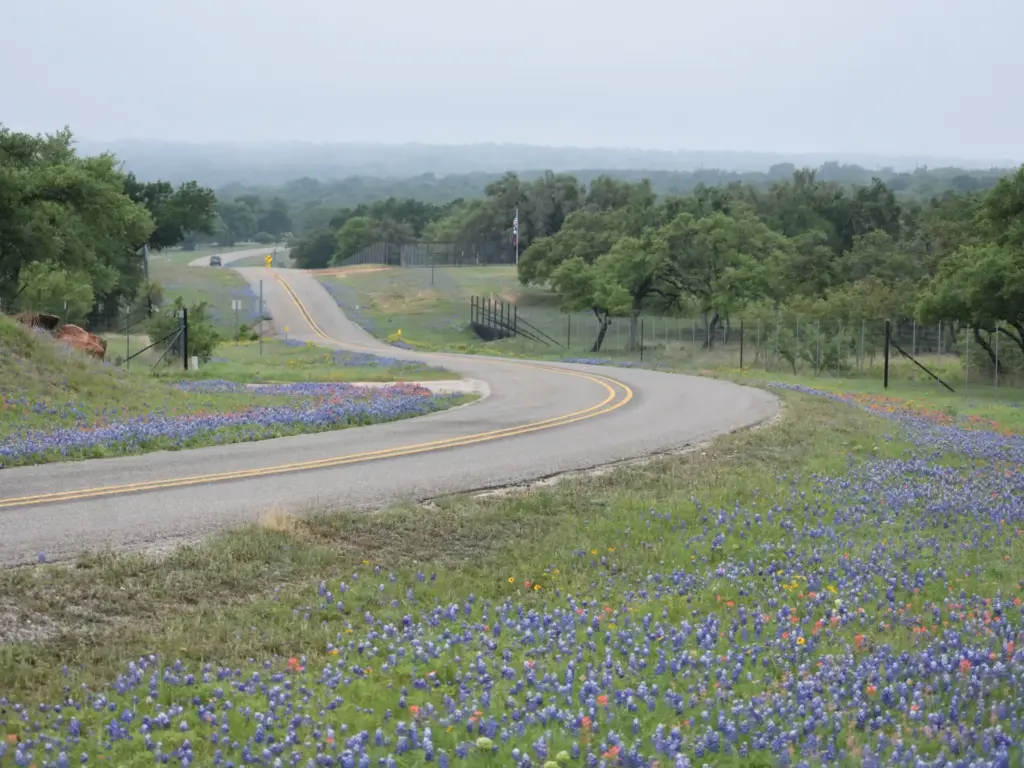
For a single concentrated burst of color, few roads in Texas beat Willow City Loop. The loop itself runs 13 miles. From Fredericksburg, head north on SH 16 for about the same distance to Willow City, then turn east on Ranch Road 1323. The terrain is rocky, the road is narrow, and wildflowers line both shoulders in spring.
One important note: the land on both sides of the road is privately owned. Stopping along the route is discouraged. Drive slowly, take it in through the windshield, and respect the property boundaries.
Timing is everything here. Check a current bloom report rather than booking around fixed dates—peak color shifts from year to year.
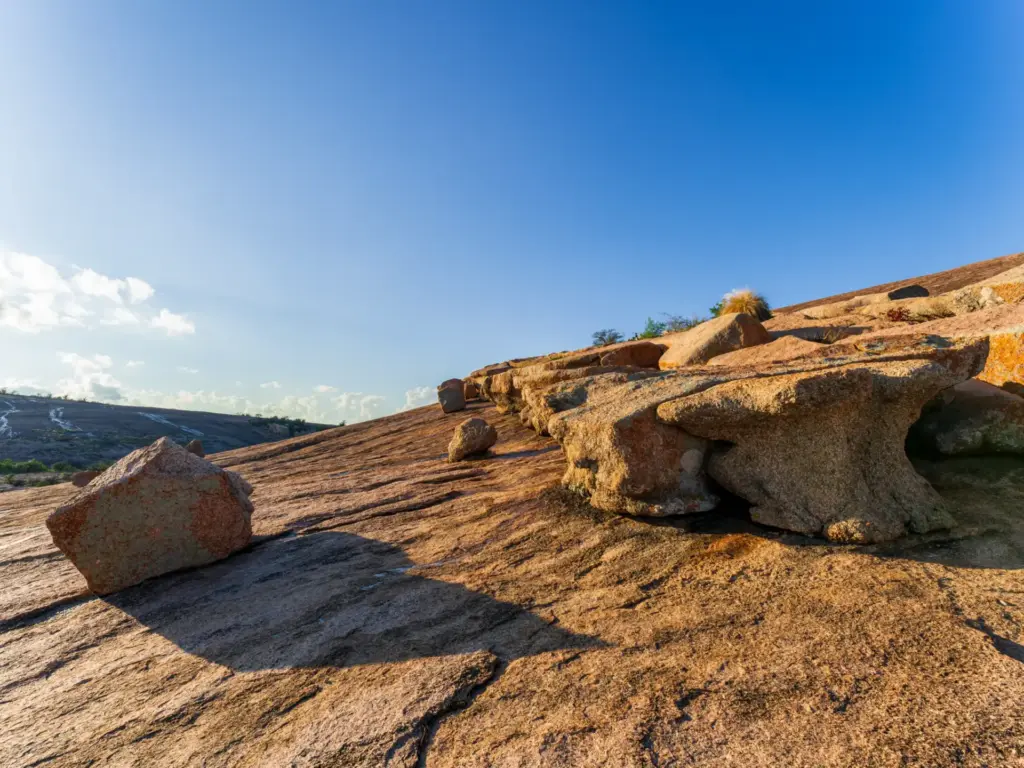
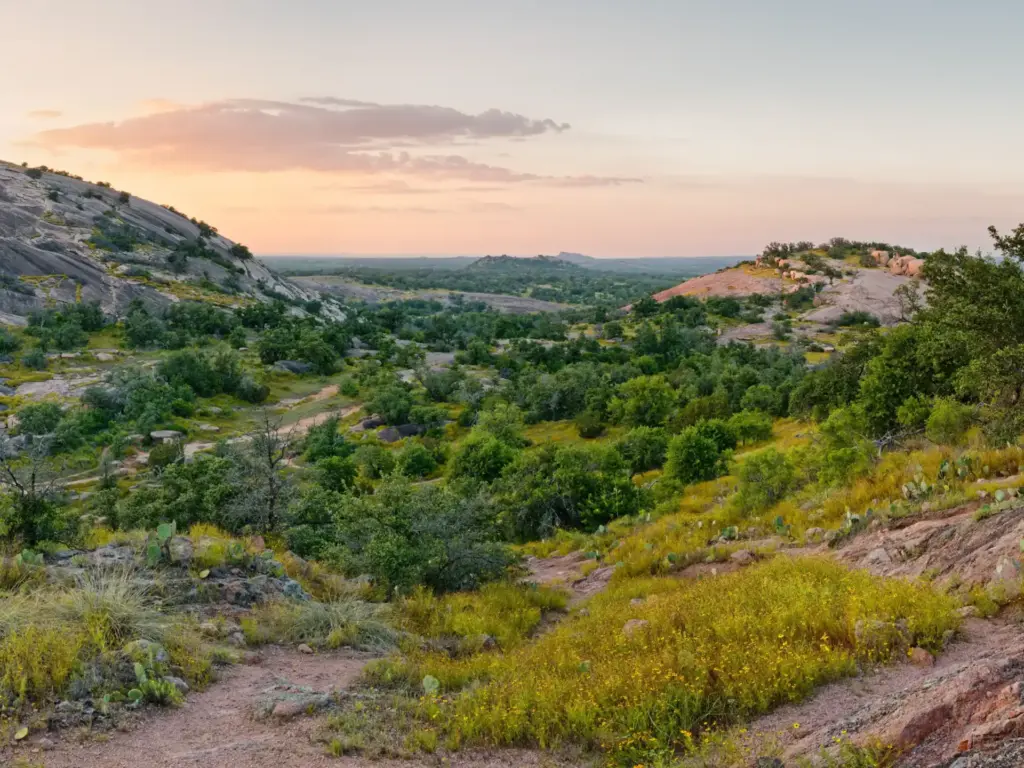
The pink granite dome at Enchanted Rock State Natural Area rises 425 feet and anchors one of the most recognizable landmarks in the Hill Country. Nearly 11 miles of trails fan out across the summit and surrounding terrain. Entry is $8 for adults and free for children under 13. The gate closes at 8 p.m. for day use.
Reserve your pass before you go—this park fills to capacity often, especially September through May. Ranch Road 965 north from Fredericksburg is the approach, and it is scenic enough to count as part of the trip rather than a means to an end. Low fences, open sky, and the dome visible from miles out make for a memorable arrival.
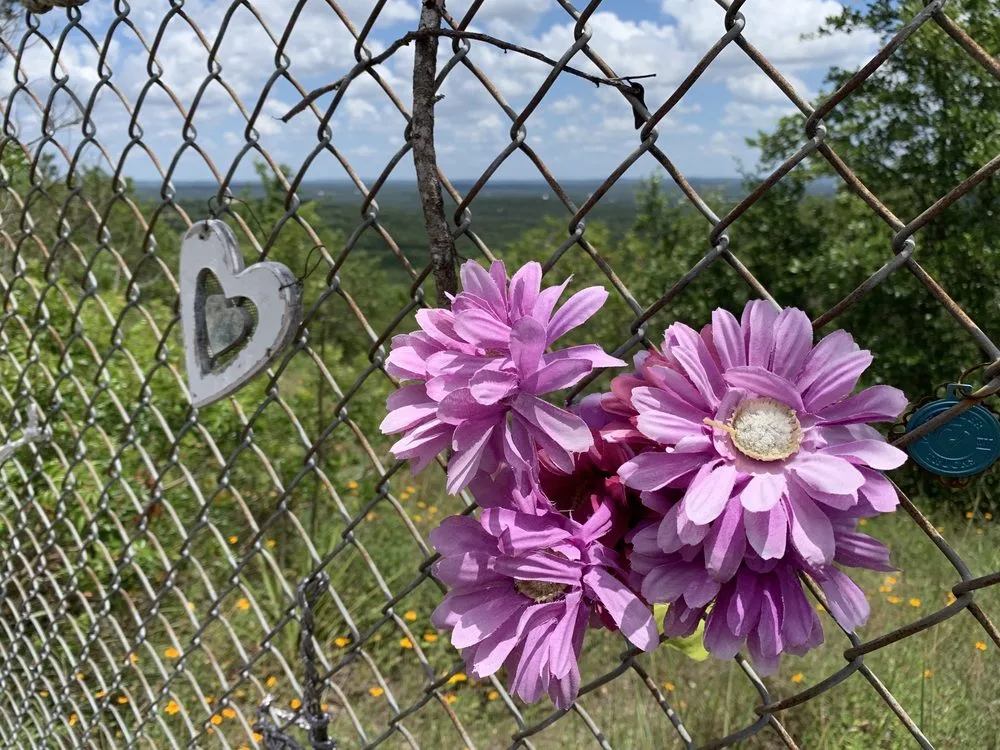
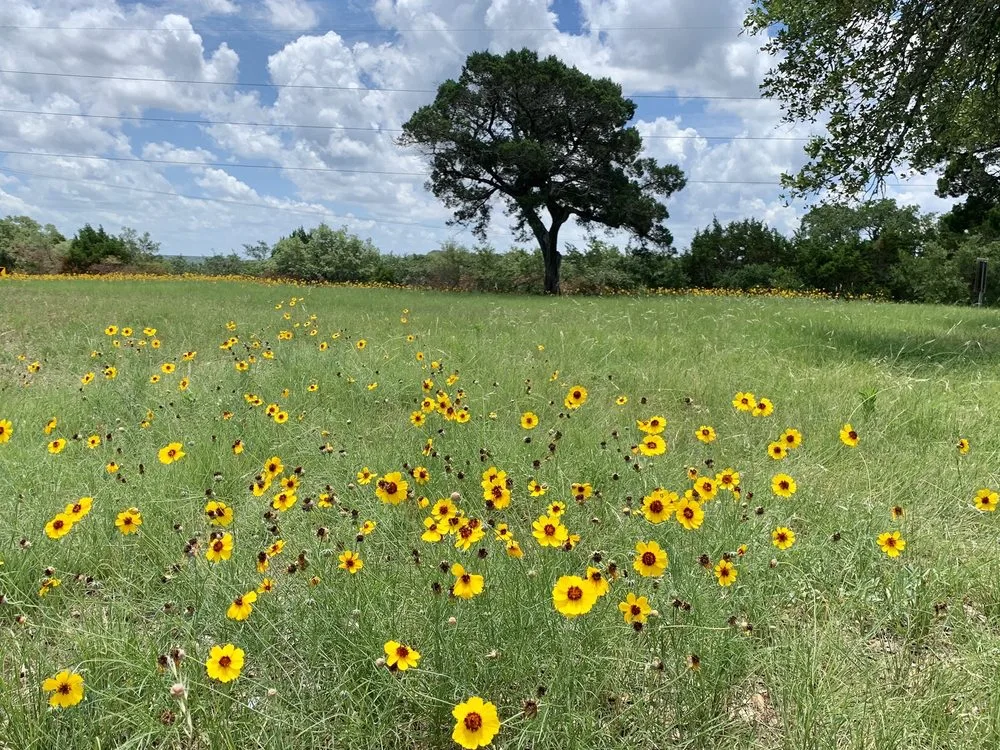
The Devil’s Backbone is a 51-mile loop departing from Blanco, using FM 12, FM 165, FM 2325, RR 32, and US 281. At an easy pace, expect about an hour and 20 minutes of driving. RR 32—the spine of the loop—follows the Balcones Fault, a geological line that defines much of the Hill Country’s elevated terrain. The overlook sits on the north side of RR 32 and offers a wide view across layered ridgelines.
The loop passes through Wimberley. That makes it easy to add Blue Hole, or to keep heading south toward San Antonio. The Devil’s Backbone is a reliable year-round drive—no seasonal wildflower dependency, no reservations needed, no entry fee. That simplicity makes it a strong choice for first-timers working through the best road trips in Texas.
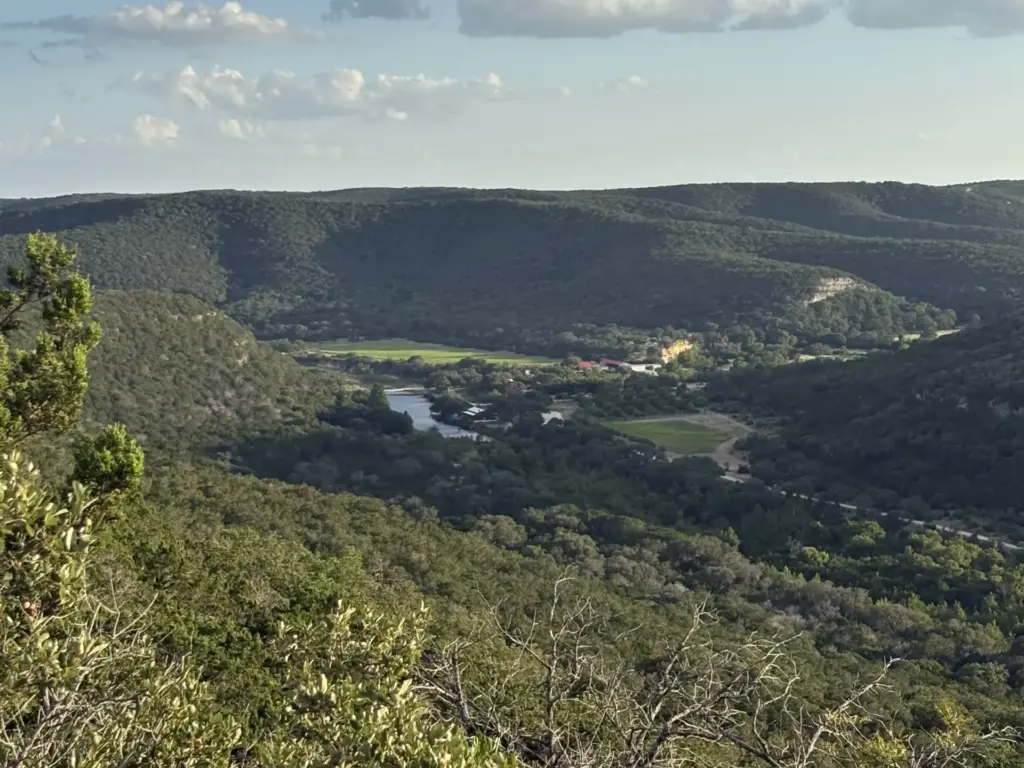
Ranch Roads 335, 336, and 337—collectively called the Twisted Sisters—are the most technically engaging scenic drives in Texas. The total distance depends on your start point and whether you run the loop or a portion of it; expect somewhere between 100 and 200 miles depending on your route. One 15-mile stretch alone carries more than 65 curves.
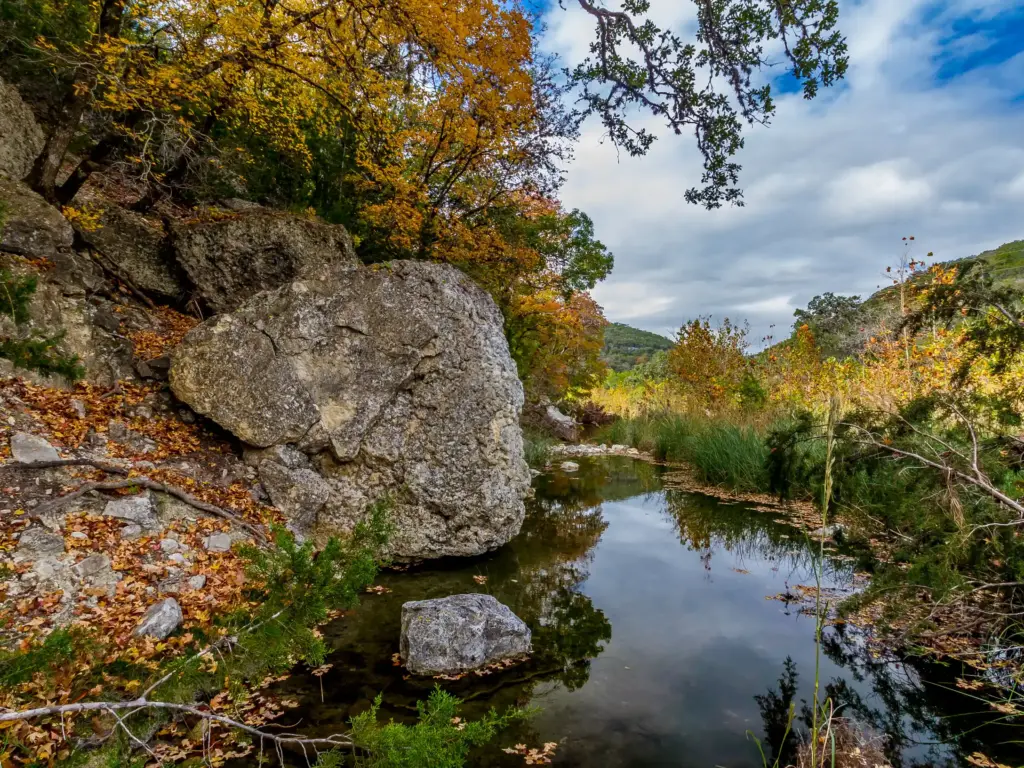
Lost Maples State Natural Area at Vanderpool adds a strong reason to extend the drive. Because the entry point is via FM 187, it folds naturally into the loop without backtracking. Entry is $6, and the park offers more than 10 miles of trails—including a route along a 2,200-foot cliff top.
Fall color peaks October through November, so that two-month window is when the park earns its reputation. The Texas Parks and Wildlife Department publishes a foliage report from mid-October onward, and it’s worth checking the night before you go—because in those two months, the park reaches capacity daily.
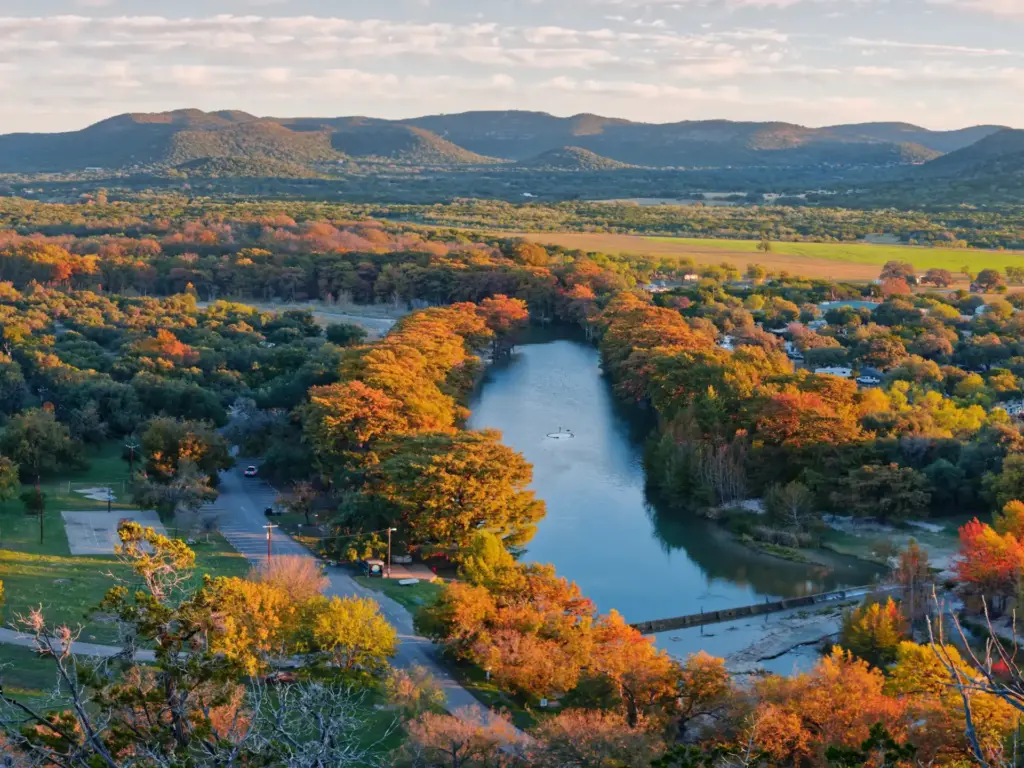
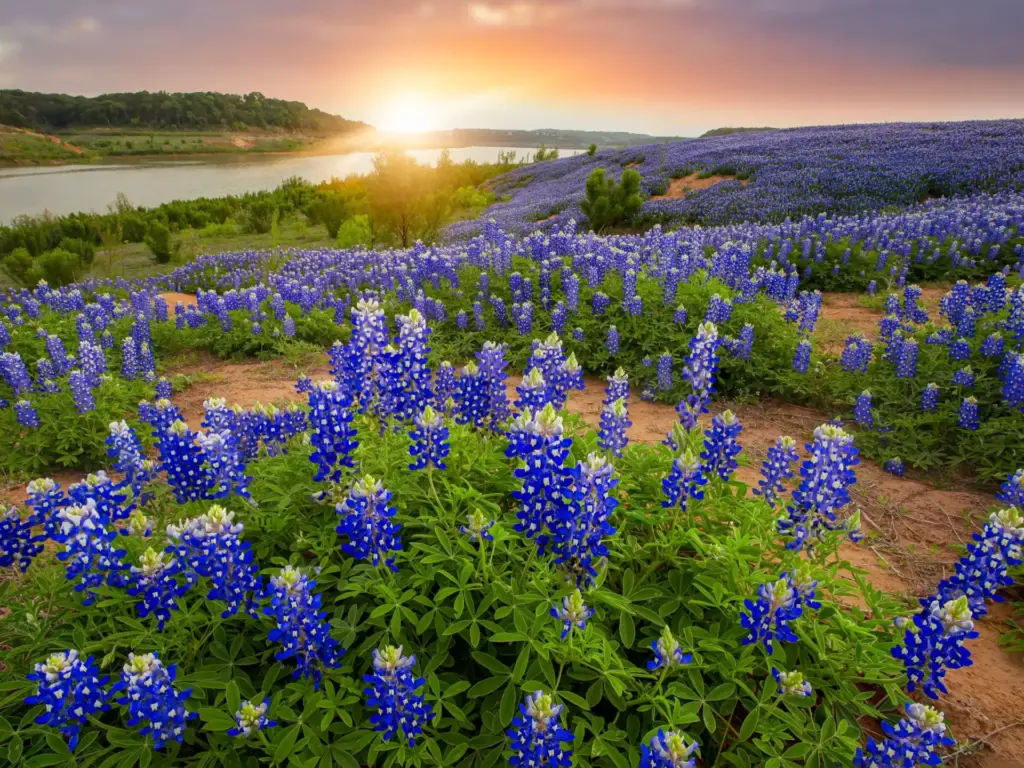
Spring and fall are the two sweet spots for the best road trips in Texas, but they reward different routes.
Spring brings wildflowers across the Hill Country—Willow City Loop and the 290 Wine Road corridor are the prime targets. But peak color is weather-dependent and moves earlier or later by several weeks from year to year, so booking around fixed dates rarely works out. Check a current bloom report closer to your trip instead.
October and November are the window for Lost Maples and fall color along the Twisted Sisters. The TPWD foliage report, published from mid-October, tracks peak conditions week by week.
Summer is manageable for early-morning drives, but heat builds fast. The Devil’s Backbone loop and the 290 Wine Road hold up well even so—both work year-round. Big Bend and Palo Duro, though, are best avoided in July and August unless you’re prepared for extreme heat.
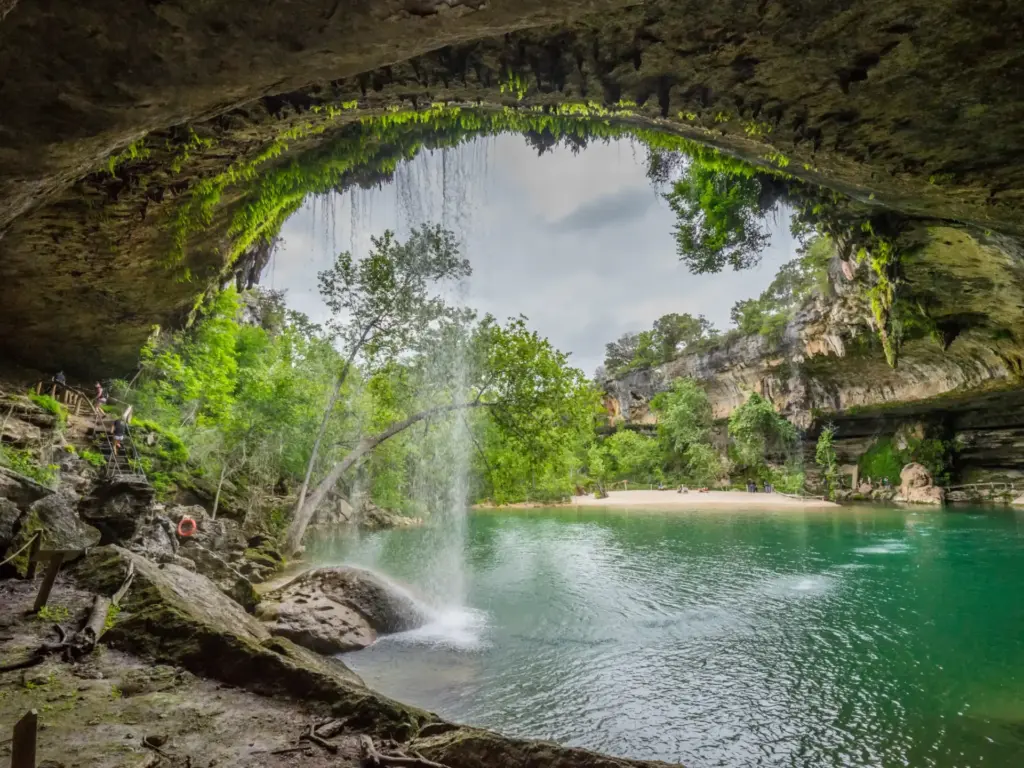
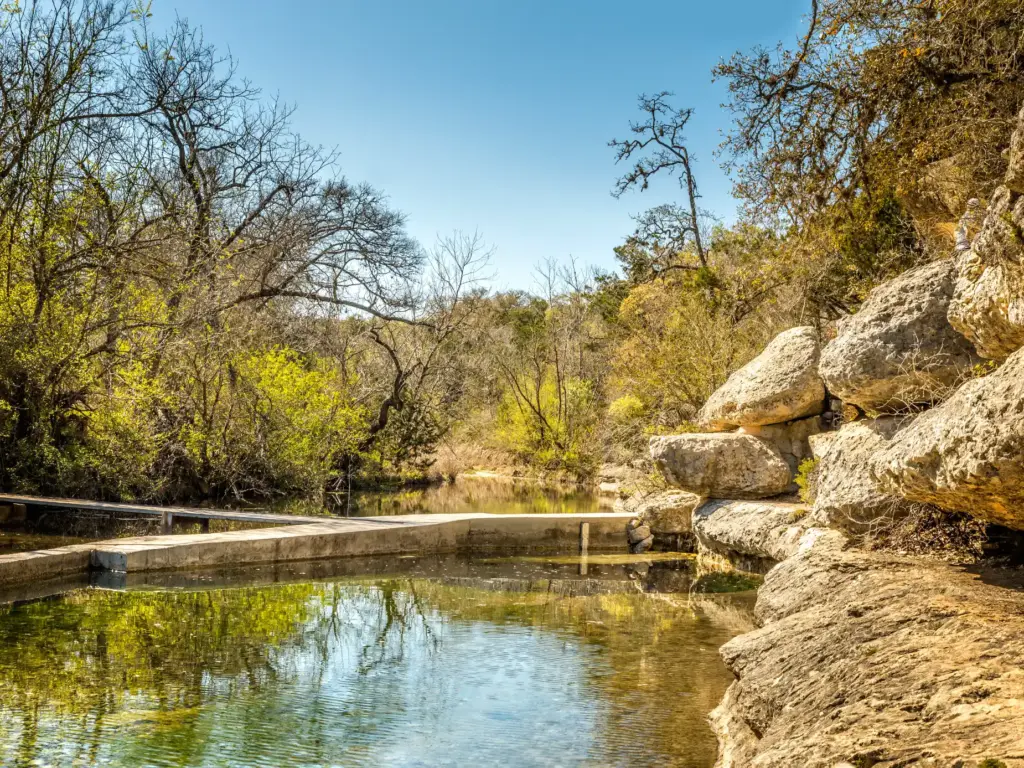
These three swimming holes near the Hill Country’s eastern edge require some advance planning—and their operating conditions can change without much notice.
Hamilton Pool Preserve sits about 30 miles west of Austin, in Dripping Springs. Travis County Parks requires reservations every day of the year. Tickets run $12 per vehicle online, plus $8 per adult in cash at the gate. Even so, a confirmed reservation doesn’t guarantee swimming, because the pool closes after rain when bacteria counts rise. The trail under the cliff overhang is closed for rockfall, so recheck the official page before driving out.
Blue Hole Regional Park (Wimberley) requires reservations during swim season—typically May 1 through Labor Day, plus September weekends. Sessions run 9 a.m.–1 p.m. and 2–6 p.m., but paying park admission does not guarantee a swim slot. Check the City of Wimberley’s official page for current session availability before you go.
Jacob’s Well (also Wimberley, managed by Hays County) is closed to swimming as of a July 18, 2026 alert—but hiking remains open. Conditions and restrictions can change, so recheck the official Hays County page before visiting.
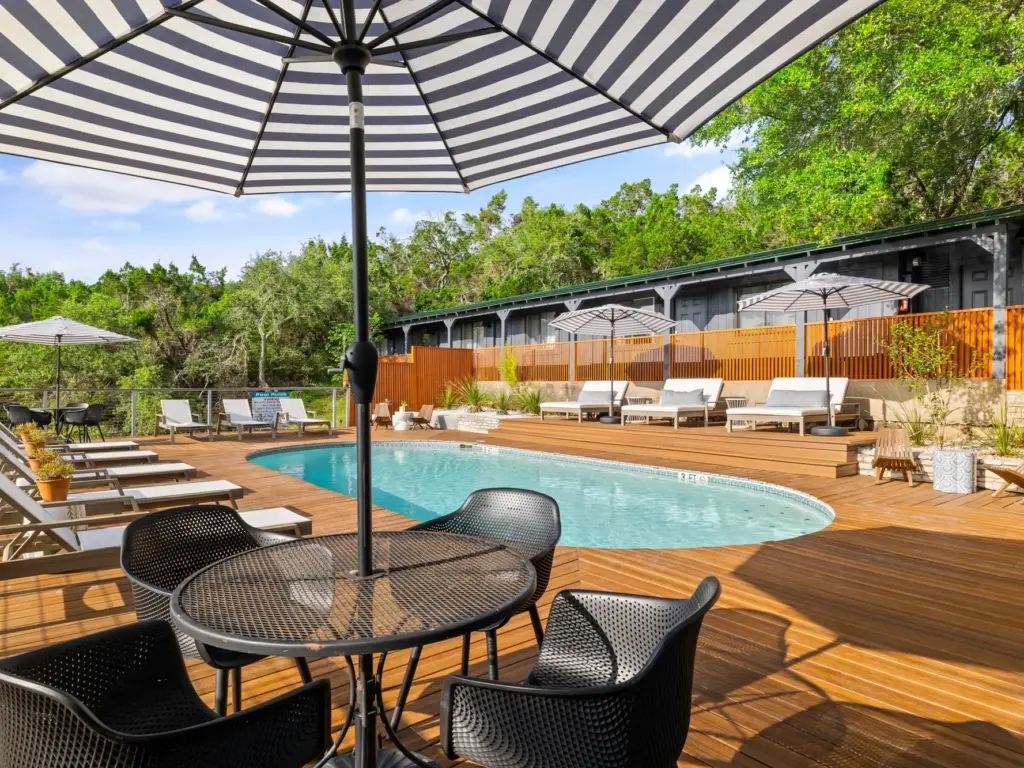
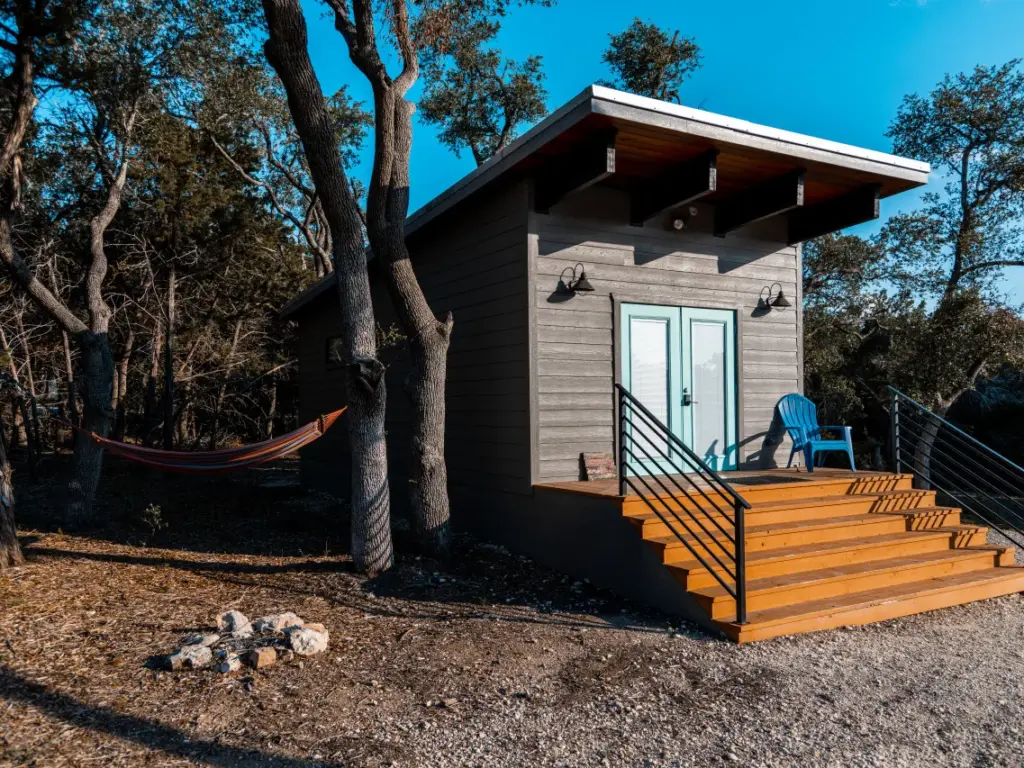
Where you stay on the best road trips in Texas depends on which drives you’re prioritizing.
For the 290 Wine Road, Willow City Loop, and Enchanted Rock, Fredericksburg is the natural anchor. Onera Fredericksburg sits steps from downtown: eleven units on a Dark Sky site, with private soaking tubs and fire pits.
Wine Barrel Cabins sits five miles out on five private acres. Its cabins are shaped like the barrels they are named for—Rosé, Chardonnay, Cabernet, Tempranillo. Hickory Haus, a rental home on the same site, takes the total to eighteen guests.
The Devil’s Backbone loop and Wimberley’s swimming holes are most convenient from Wimberley itself. The Bygone is a 1960s motor lodge reworked into a seventeen-room boutique hotel with a pool deck. Onera Wimberley climbs a west-facing hillside, some of its treehouses standing thirty-five feet up. The Cedars Ranch adds glamping cabins and suites, and takes larger groups for events.
The Hamilton Pool end of the region—closer to Dripping Springs—is served by The Liney Moon. It books as a full buyout: cottages, tiny homes and a main house. That suits a group traveling together.
For the Twisted Sisters, Comfort is the closest base. Camp Comfort occupies a building that began as an athletics club and bowling alley in the 1860s. Eleven rooms, up to forty guests, right in town—which matters on a drive with few services. Whichever base you choose, the best road trips in Texas start the moment you pull out of the gate.

The best road trips in Texas don’t need a rigid itinerary. They need a good place to come back to when the light goes. Browse Hill Country cabins and boutique stays and pick the base that fits your route. Fredericksburg suits the wine road and Enchanted Rock. Wimberley puts you on the Devil’s Backbone, and Comfort sits closest to the Twisted Sisters.