
Outdoor Experiences
Retreats
Weddings

Planning your ultimate Hawaiian escape starts with knowing the best time to visit the Big Island. With its diverse landscapes, vibrant local culture, and unique activities, timing is everything. For the sophisticated, independent traveler, considering weather patterns, tourist seasons, and local events is key to crafting a truly bespoke experience. Scheduling your trip correctly helps avoid crowds, secure better hotel rates, and enjoy the island without unnecessary hassle. Read on to discover the perfect time to visit Hawaii based on your personal travel style.
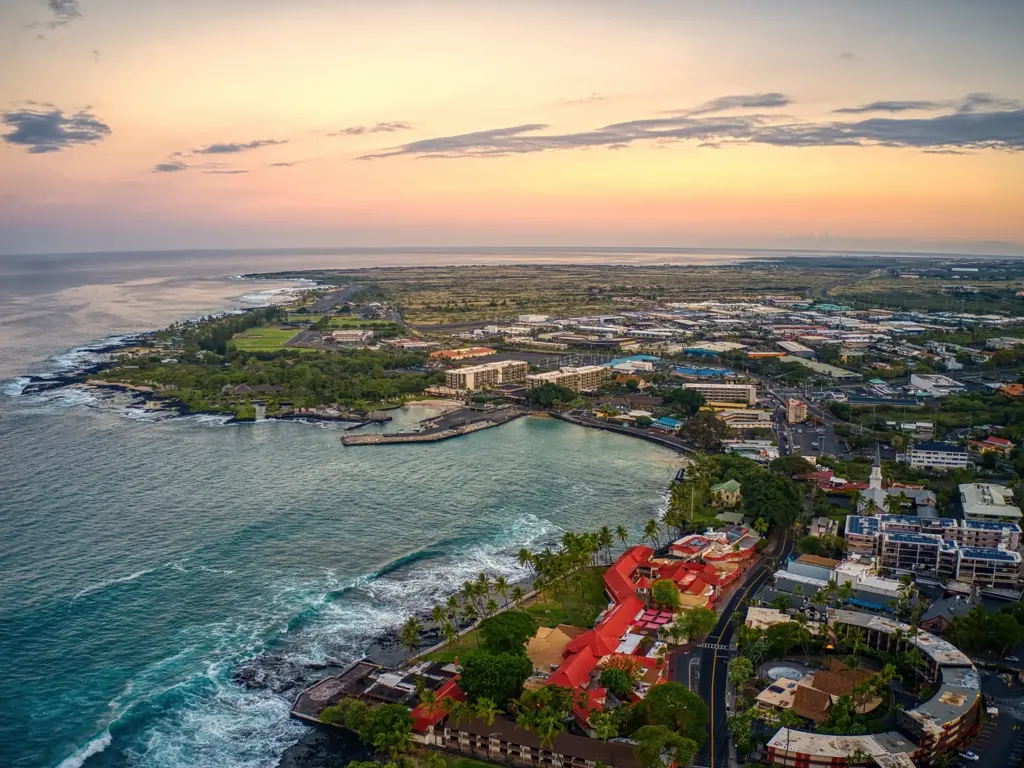
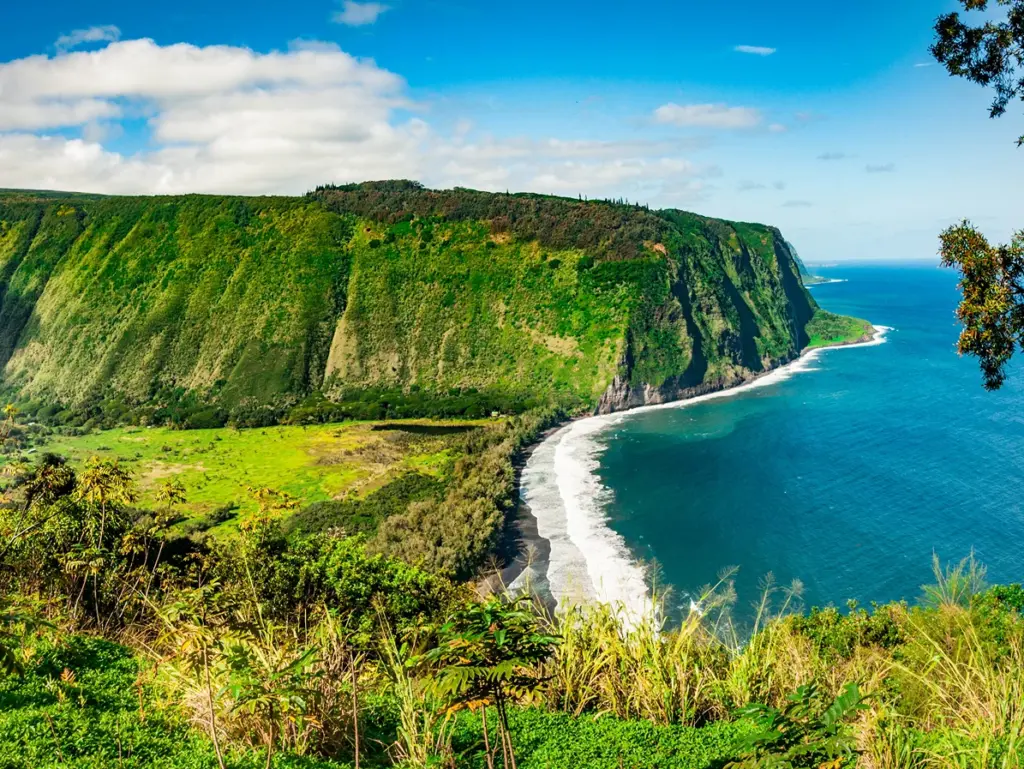
For the most part, the best time to visit Hawaii’s Big Island is between September and November. During these fall months, room rates are generally lower, and the weather is consistently pleasant. If you plan your vacation for this period, you’ll benefit from fewer crowds, giving you more space to enjoy famous sites and a greater sense of tranquility.
The average temperature on the Big Island ranges from 75°F to 85°F year-round. However, this depends heavily on your elevation and exact location. For example, higher elevations, such as the summit of Mauna Kea, experience freezing temperatures at night, while the warm, sunny coastline remains comfortable for most activities. The diverse weather conditions across the island are fascinating, partly because the Big Island features multiple climate zones. These unique zones, spanning eight distinct climate types, create striking contrasts and provide a playground for curious travelers. The fact that the weather on the Big Island can change drastically within a short distance means each day can be a new adventure, especially if you plan your excursions accordingly.
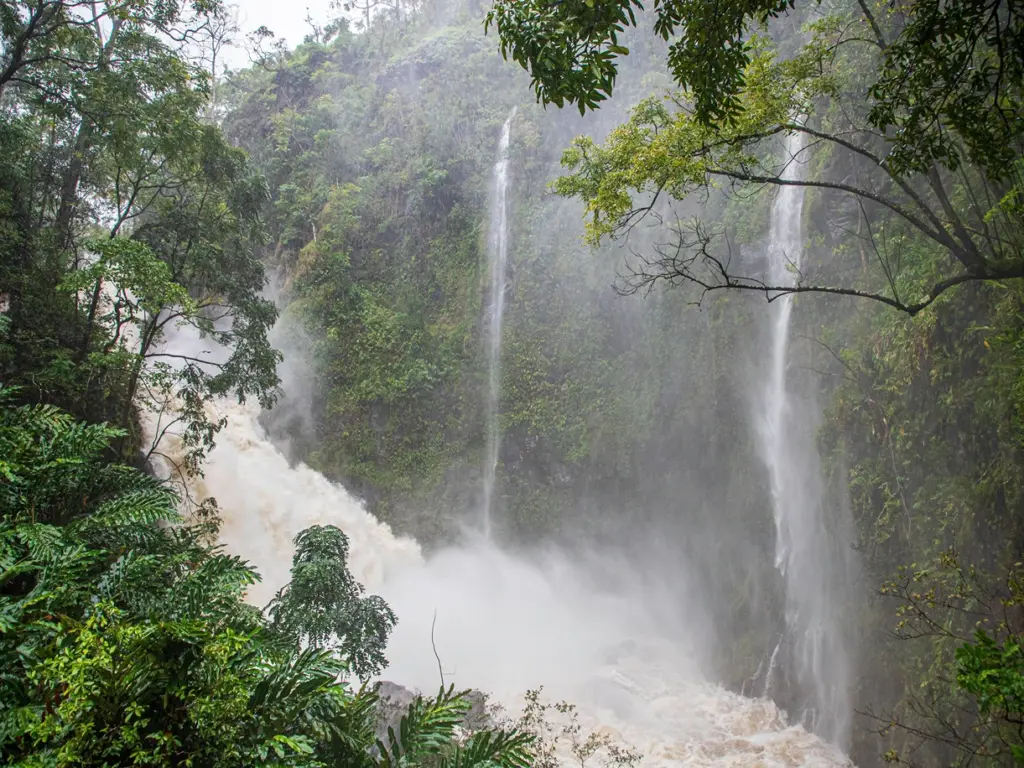
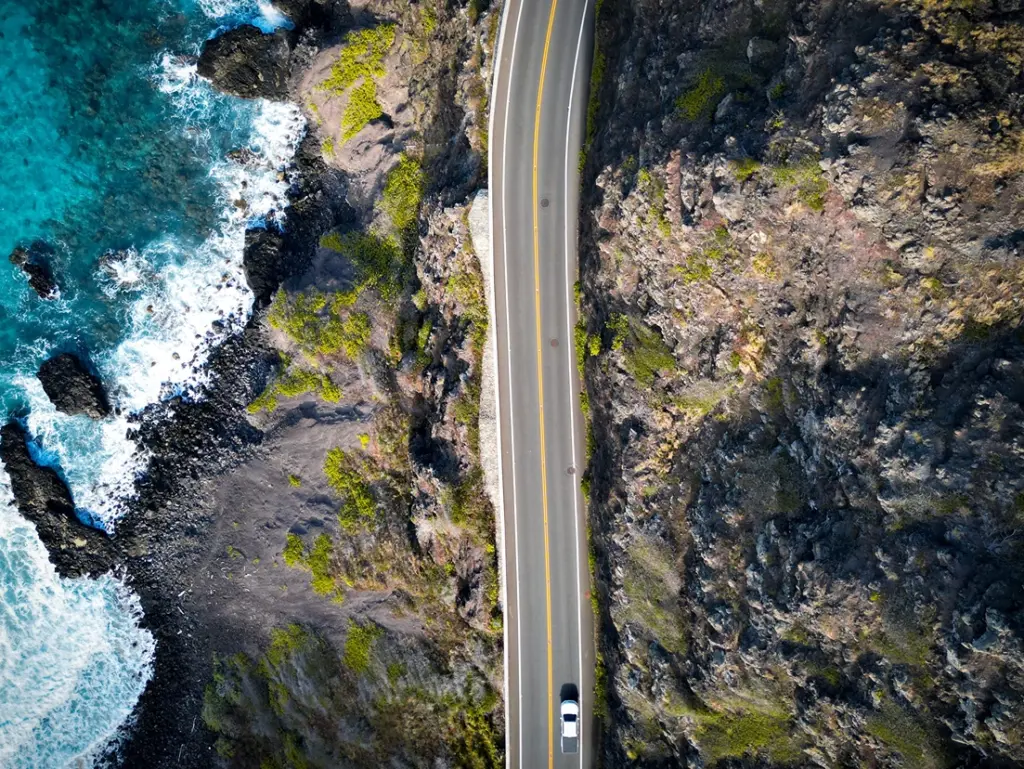
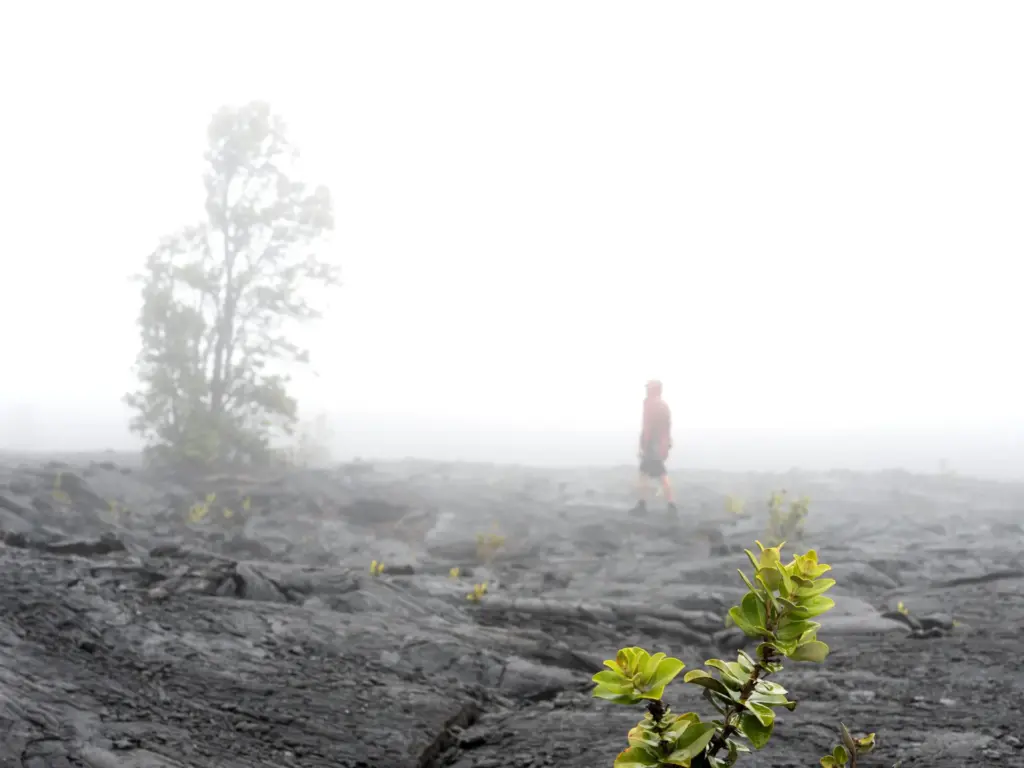
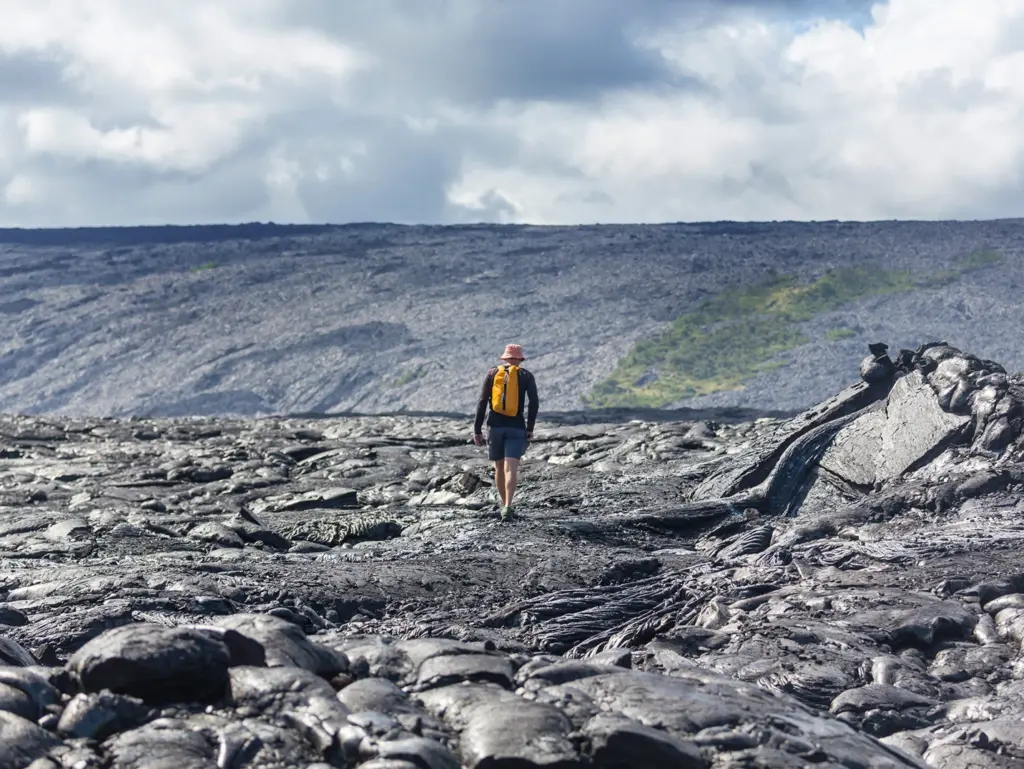
The Big Island dazzles visitors with its remarkable geography. You’ll find dramatic volcanic landscapes, lush rainforests, cascading waterfalls, and picturesque coastal areas that stretch for miles. This incredible diversity is both the result of and the reason for the differing weather patterns across the country.
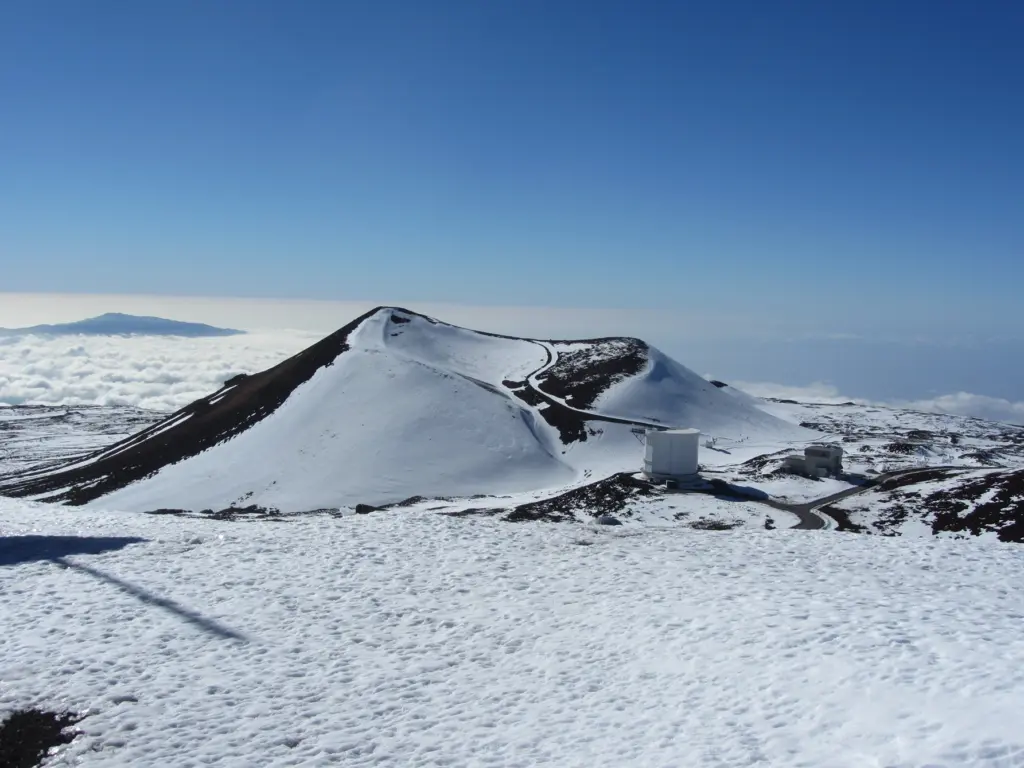
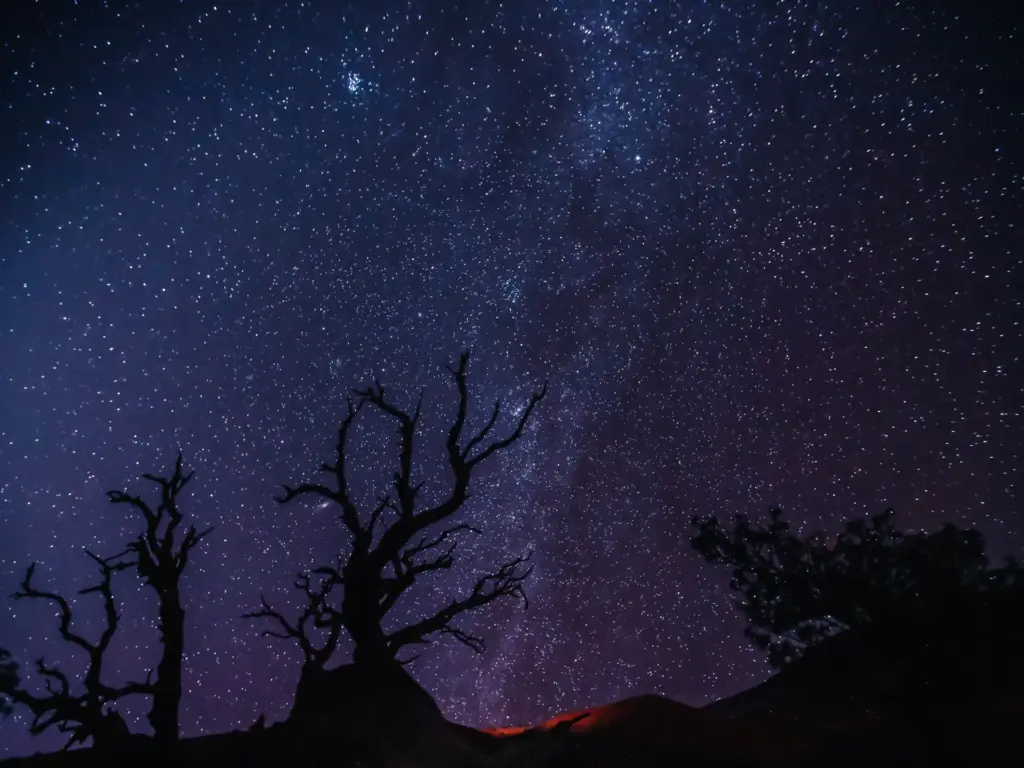
Beyond the coasts, the higher elevations introduce a third set of weather conditions entirely. Mauna Kea and Mauna Loa rise dramatically above the clouds, and their summits can experience freezing temperatures, especially at night. For the best experience visiting the summit of Mauna Kea, plan your trip between spring and fall to avoid the snow and ice common in winter. This once-in-a-lifetime experience provides jaw-dropping stargazing opportunities. The weather can truly change quickly as you move from coastal areas to higher altitudes, so always bring layers.
High season in Hawaii is split into two parts. The first peak occurs during the summer holidays, which run from mid-June to the end of August. The second high season arrives in winter, when mainland visitors arrive in droves from mid-December to mid-March to escape the snow and cold back home.
Naturally, the Big Island is busiest for travel in the winter. Mainland visitors flock to the beaches and resorts from December through April. The busiest times occur around the Christmas holidays, New Year’s, and Independence Day in the U.S. During these times, you’ll notice higher prices, longer lines at attractions, and limited availability for popular tours and activities. In addition, the last week of April is a busy period due to Japanese visitors traveling during their national Golden Week holidays.
Crowds are at their peak during the winter months, especially from December through March. If you plan to visit during these times, you must book accommodations well in advance and brace yourself for more crowds at major hot spots.
Still, there are notable advantages to visiting in the peak season:
For independent travelers, the excitement and cultural energy of the peak months can absolutely enhance a visit if you are seeking fun and lively company.
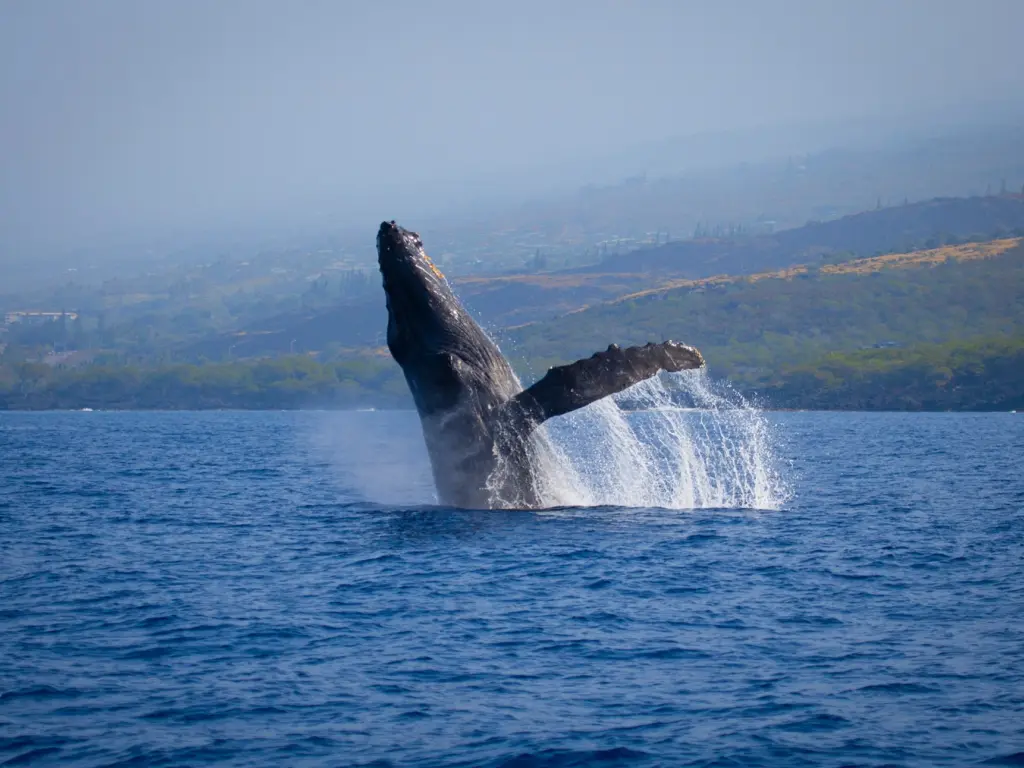
If you love the thrill of encountering wildlife, especially majestic marine mammals, timing is everything. Winter, in particular, stands out as the best time to go to the Big Island for whale watching. The season runs from November to April, with peak sightings between February and March. During these months, thousands of humpback whales migrate from colder northern waters to breed, calve, and nurse in Hawaii’s warm seas. It’s common to spot them breaching or slapping their tails offshore, especially from the Kona side.
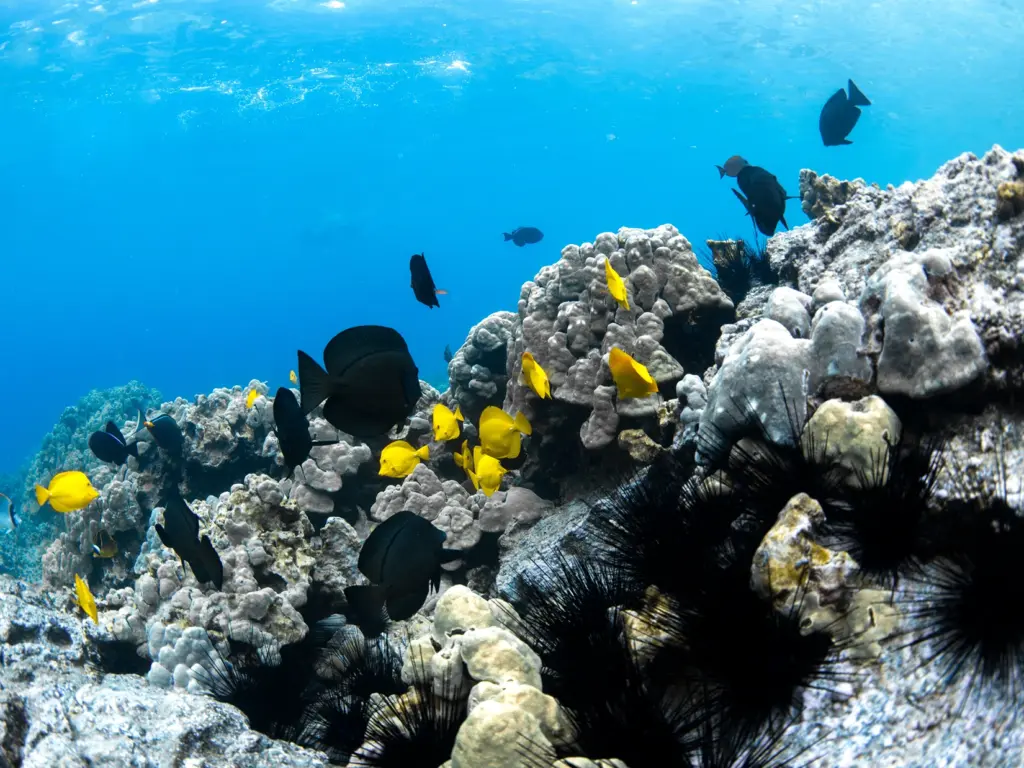
For the best experience, book a morning tour around 8:00 AM. At this hour, the winds are lighter, and the water is calmer, making it easier to spot whales and dolphins. Similarly, these calm morning conditions make April and May especially favorable for snorkeling. You can explore vibrant coral reefs, swim alongside colorful fish, and often see playful spinner dolphins.
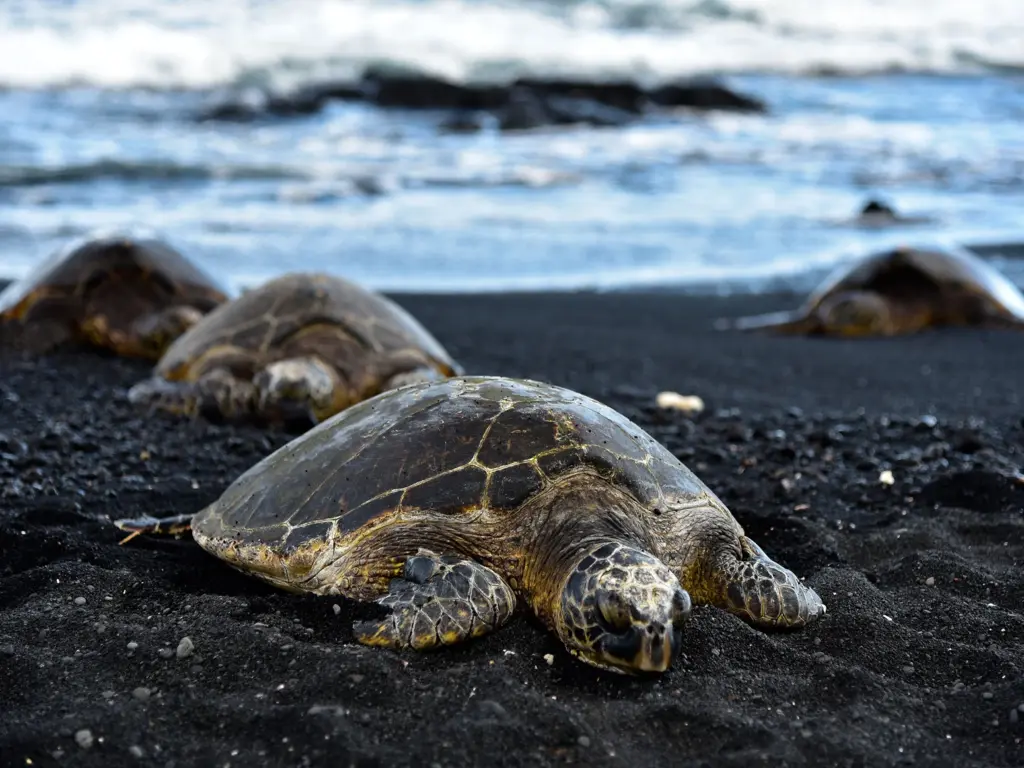
The island’s varied geography, from its vibrant coral reefs to its lush inland forests, also attracts an abundance of wildlife. Sea turtles gracefully nest on its sandy shores, majestic manta rays glide through its clear waters, and countless native bird species fill the air with song, making it a true naturalist’s paradise year-round.
Value and authenticity frequently go hand in hand when traveling smart. If you wish to experience the Big Island without breaking your budget, consider traveling during the low season. The Big Island’s low season falls between mid-March and June, and then again from September to mid-December. You’ll find that booking during the low season will make your trip to Hawaii significantly more affordable.
May, September, and October are consistently more affordable times to visit. During these months, you can experience high-quality experiences, exceptional service, and more flexibility with your plans. The island’s relaxed vibe and more intimate atmosphere amplify the feeling of discovering a hidden gem.
You’ll have an easier time booking exclusive adventures, such as:
By traveling outside the peak months, you free up your budget for memorable upgrades and unique experiences.
For many discerning travelers, the ultimate answer to “When is the best time to go to the Big Island?” is during the shoulder season. Hawaii’s two shoulder seasons, April through May and September through October, offer the perfect balance of ideal climate and tranquility.
Benefits of visiting the Big Island in the shoulder season include:
If you value peace, space, and a slower pace of life, these seasons provide unmatched opportunities. In April, you can experience the famous Merrie Monarch Festival, which brings Hawaiian culture front and center with hula competitions and artistic performances. In October, the Ironman Triathlon energizes Kona, whether you want to watch or volunteer.
The Big Island generally enjoys year-round temperatures between 75°F and 85°F. Weather patterns are consistent, although you may notice more frequent rain in the winter months. September and October offer pleasant conditions and excellent hotel rates. Storms can occur from June through November (hurricane season), but serious hurricanes are rare in Hawaii.
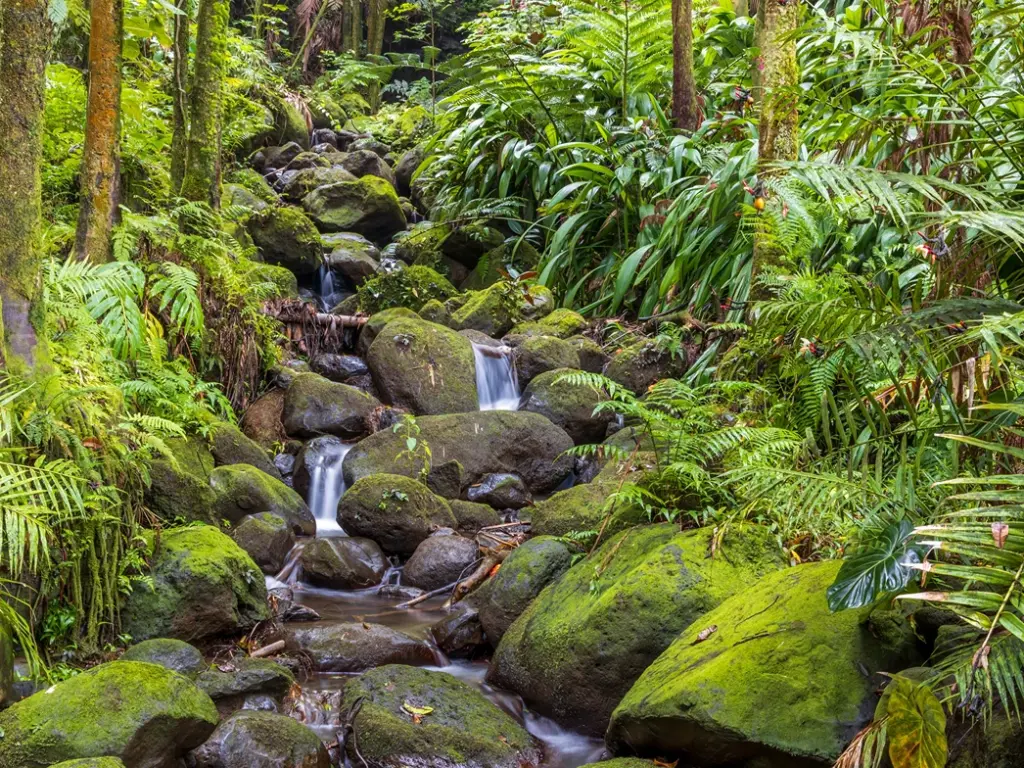
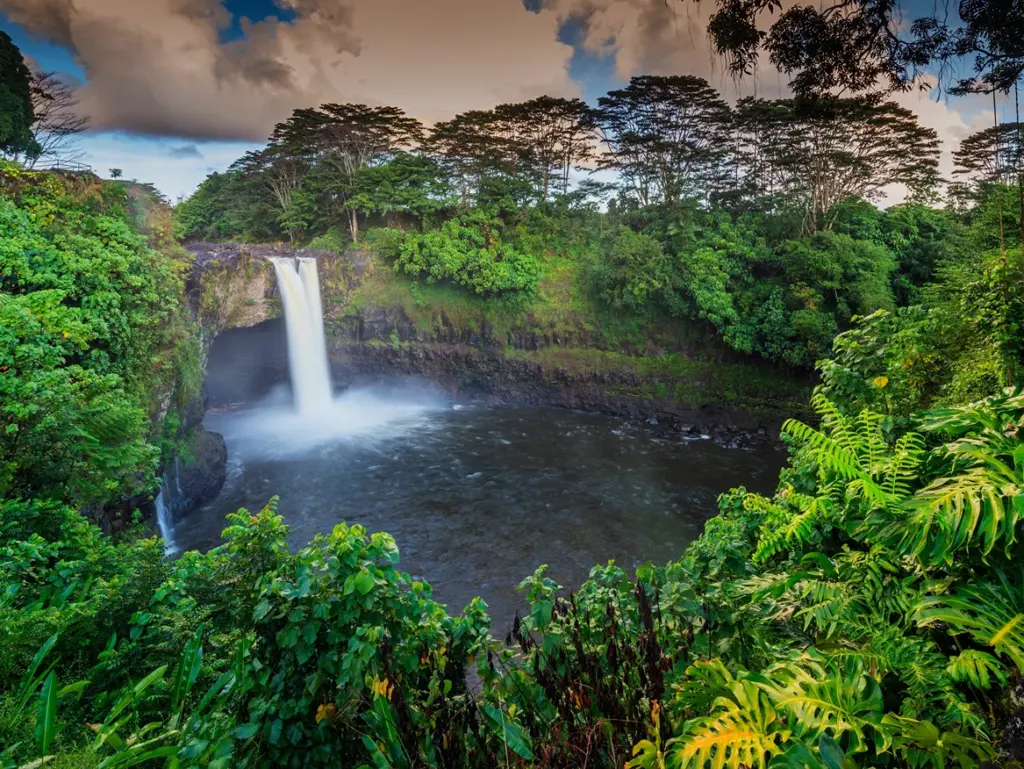
With its eight climate zones, the Big Island’s weather provides endless options for travelers with varied interests. Some tips to maximize your time:
Rainfall on the Kona side can drop to below 20 inches each year, while the Hilo side often gets more than 300 inches. The contrast between “dry side” and “wet side” gives you full control over the weather you want to experience on your trip.

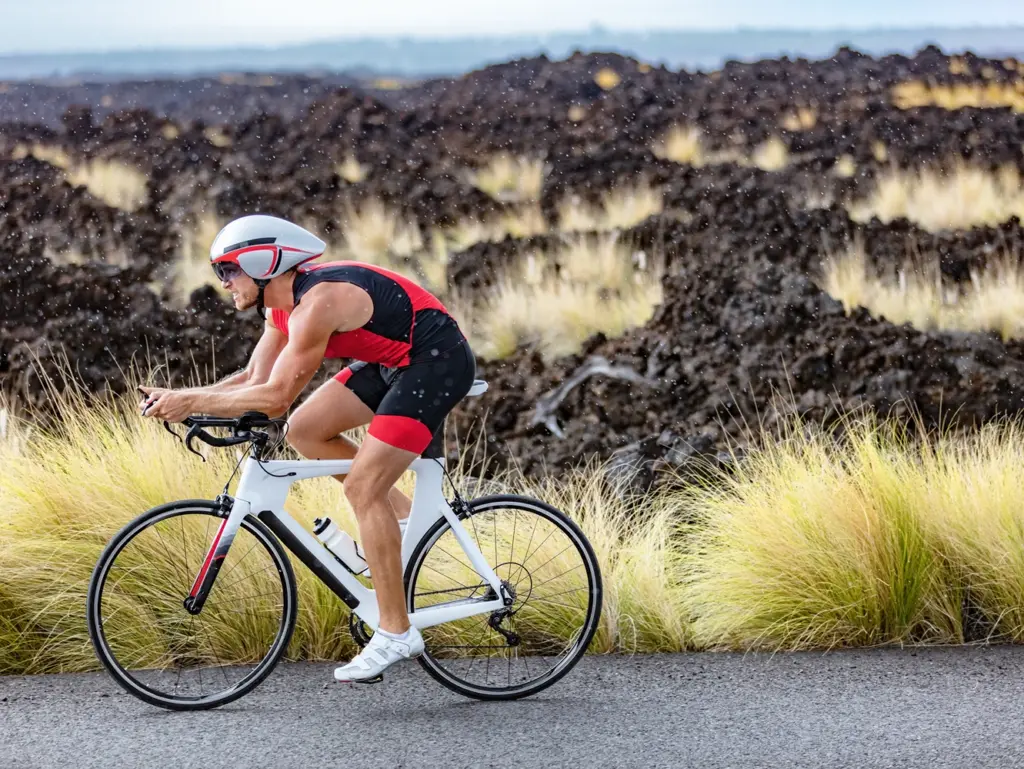
Cultural events are central to the Big Island’s appeal. Throughout the year, you can find unique experiences that bring you closer to the heart of Hawaiian life.
Featured annual events:
Attending a special event will make your trip even more memorable, especially if you plan ahead to secure tickets and accommodations. For more up-to-date info, check the Go Hawaii Big Island Events page.
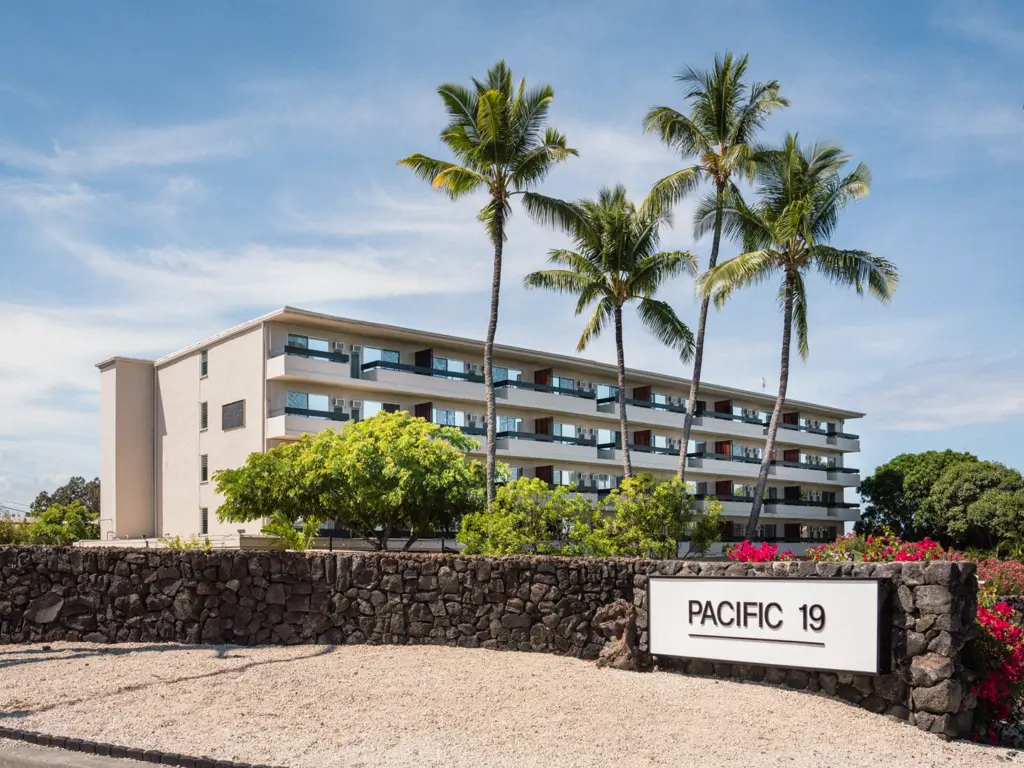
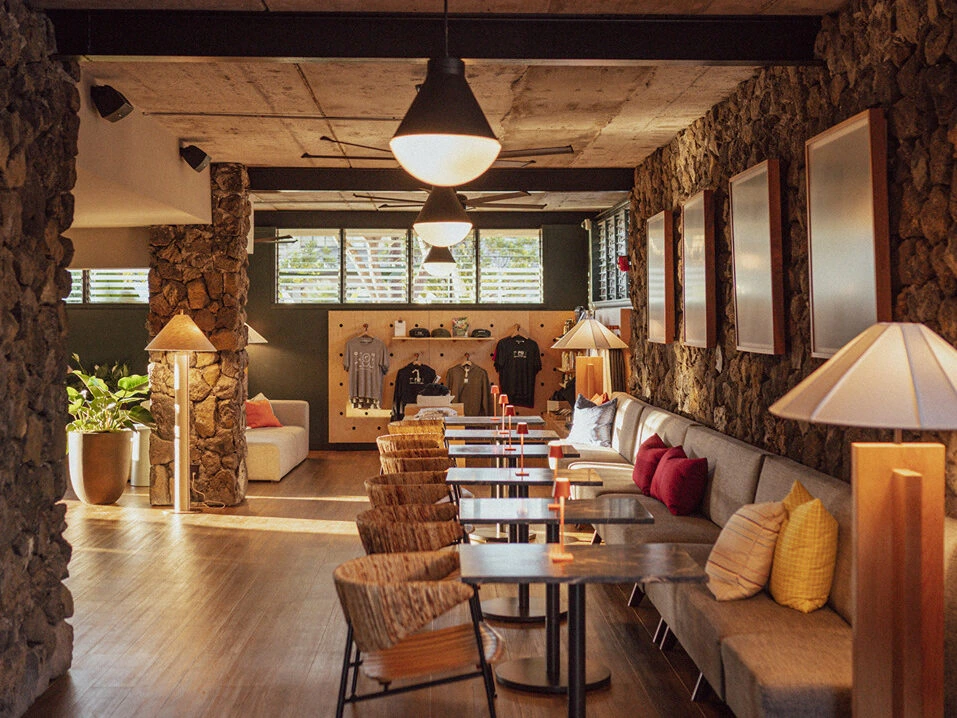
Every great trip deserves a perfect home base. Pacific 19 stands above other accommodations on Hawaii’s Big Island as a welcoming, design-forward boutique hotel in Kona. Here, travelers find a refreshing alternative to the typical resort experience, as Pacific 19 focuses on enhancing your visit rather than overwhelming it.
You’ll immediately notice:
Pacific 19 is designed for guests who see travel as a way to immerse themselves in local culture and scenery, not just to lie on the beach. Here, you can wake up to ocean breezes, then return after a night spent exploring the island, knowing you have a serene oasis waiting.
No matter when you come, there’s something for every traveler:
For the most part, travel during April, May, August, September, and October rewards you with the best weather, affordable prices, and space to truly unwind. You’ll get the broadest experience of island life with the fewest constraints.

Ultimately, your personal schedule dictates your ideal trip. You will experience magnificent beauty year-round, thanks to the Big Island’s vast geography and culture. Local residents welcome visitors warmly in every season and delight in sharing their island’s hidden gems.
Whether you love the buzz of summer holidays, the energy of winter festivals, the quiet of low season, or the balance of the shoulder months, the Big Island always delivers. Start planning your bespoke adventure now, and secure your ideal accommodations and experiences.
Ready to book your dream vacation? Visit Nook Outdoors’ curated collection of hotels and resorts to discover your perfect sanctuary. From the vibrant Big Island of Hawaii to the rustic charm of the Texas Hill Country and the wild beauty of Jackson Hole, we have a destination for you.